


 info@wisonflag.com


What do the beach flag colors mean
Coastal safety teams fly a colored beach flag to warn you about dangerous ocean conditions. These signals keep your family safe from unseen water hazards before you swim.
Here is your quick safety guide:
Green: Low hazard (calm water)
Yellow: Medium hazard (moderate currents)
Red: High hazard (dangerous surf)
Double Red: Water closed to public
Purple: Marine life hazard (jellyfish or stingrays)
Key Takeaways
Color-coded beach flags show ocean danger levels to keep swimmers safe.
Red and double red flags mean dangerous waters and swimming is forbidden.
Always check flag colors and ask lifeguards about hazards before swimming.
Primary Beach Flag Warning Colors
Beach safety warning systems serve as a standardized, universal visual language for ocean safety across various coastal regions. Developed to communicate hazardous conditions clearly, these color-coded flags establish a consistent safety framework that travelers and beachgoers can depend on regardless of location.
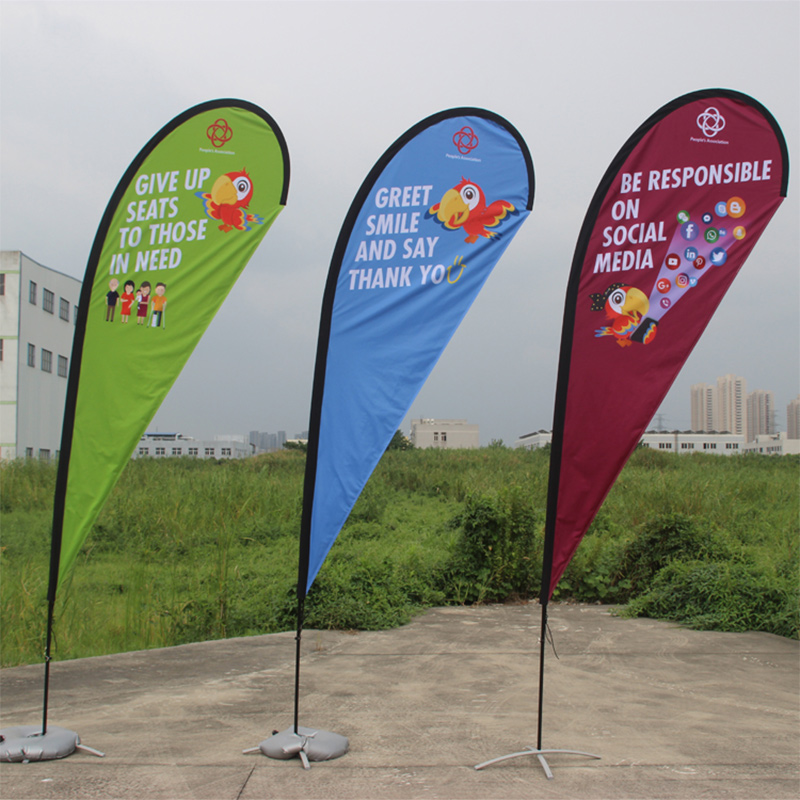
Clear visual communication on public shorelines relies on high-visibility displays. Coastal safety teams and beachside organizations often deploy commercial-grade Wisonflag beach flag displays, including durable feather, teardrop, or rectangular custom banners, to ensure you can see safety signals from far away.
Green Beach Flag: Low Hazard
A green flag signals calm water and low hazard conditions. You can enter the ocean comfortably when safety officers fly this color. A green flag indicates calm and safe swimming conditions characterized by:
Water safe from strong winds and dangerous currents
An environment free from hazardous marine life
An overall clear coastline
Safety Tip: Even when a green beach flag is displayed, swimmers must remain cautious because it does not signify a total absence of risk or danger. Ocean conditions require continuous awareness, so visitors should stay alert to ensure a safe experience.
Yellow Beach Flag: Medium Hazard
A yellow flag designates a medium hazard level, specifically triggered by moderate surf and water current conditions. This mid-level hazard prompts safety officials to advise weaker swimmers to stay out of the water. Beach safety personnel raise a yellow flag during specific weather parameters:
Waves exceeding two feet in height
Strong winds that contribute to the formation of rip currents
Some beaches also use a double yellow flag to show an elevated hazard level. When you spot yellow warning signs, you should take extra precautions:
Remain near the shoreline: Avoid venturing into deeper water.
Remain in shallow areas: Do not swim too far out if you lack swimming confidence.
Keep a close watch on kids: Actively monitor children at all times.
Do not use inflatable devices: Steer clear of inflatables in moderate hazards.
Heighten vigilance: Apply extra care and caution while in or near the water.
Follow lifeguard instructions: Pay close attention to warnings issued by on-duty lifeguards.
Wear flotation gear: Non-proficient swimmers and children should put on life vests before entering the water.
Red Flag: High Hazard
A single red flag signifies dangerous conditions, high surf, and strong currents. You should stay out of deep water when lifeguards hoist this flag. Safety teams deploy a single red flag during high hazard conditions, which include:
Waves reaching or exceeding 4–6 feet (1.2–1.8 meters)
High risk of dangerous rip currents as designated by the National Weather Service
Presence of strong surf and hazardous underwater currents
Other identified severe aquatic risks
Double Red Flag: Water Closed
A double red flag represents the most serious warning on the shore. When you see two red flags flying together, the water is strictly closed to the public.
Beach officials mandate double red flag warnings when marine conditions in the Gulf become excessively dangerous for public entry, posing severe hazards to both swimmers and emergency response personnel.
Extreme ocean threats force safety directors to close the coastline entirely:
Rip Currents: Powerful, fast-moving channels of water that present significant dangers to beachgoers.
Unsafe Gulf Conditions: Severe coastal hazards that make entering the water dangerous to both the public and first responders.
Purple Flag: Marine Life Hazard
A purple beach flag alerts you to the presence of dangerous marine organisms in the immediate area. Lifeguards raise this purple or dark blue flag when they spot specific hazardous creatures:
Jellyfish
Sea snakes
Stingrays
A purple beach flag does not mean the ocean is completely closed to swimmers; rather, it denotes a medium hazard warning beachgoers to be cautious due to dangerous sea creatures present in the water, such as stingrays, sea snakes, and jellyfish. Full ocean closures are designated by double red flags instead.
Supplementary Coastal Zone Flags
Coastal teams use extra markers to organize water activities and protect swimmers. These specialized flags guide you to dedicated areas along the shoreline.
Red and Yellow Flag: Lifeguarded Zone
Red and yellow flags mark the safest area for swimming. International lifeguarding organizations recommend staying inside this boundary for critical reasons:
Patrolled Zone: These flags designate a specific safe swimming location actively monitored by lifeguards.
Hazard Avoidance: Lifeguards position these flags specifically away from hazardous rip currents to protect swimmers.
Always look for these markers when you visit a busy shore.
Black and White Checkered Flag: Watercraft Zone
A black and white checkered flag separates motorboats, kayaks, and jet skis from swimmers. You must avoid swimming in this designated area. Boat operators use this zone to launch and land their water vessels safely without endangering people in the water.
Yellow Flag with Black Ball: Surfboards Prohibited
A yellow flag featuring a solid black ball prohibits surfboards and hard watercraft. Lifeguards raise this beach flag to keep fiberglass boards out of crowded swimming zones. You can swim safely in these areas without worrying about loose surfboards hitting you.
Note: Surfers must move to unflagged or specifically assigned surfing zones whenever this flag flies.
Orange and White Flag: Local Hazard Warnings
An orange and white flag alerts you to specific local risks on the shore. Coastal authorities use this warning flag for unusual hazards like sudden drop-offs, construction work, or temporary pollution. Check local beach flag displays or ask lifeguards for details when you spot this marker.
Ocean Safety and Current Navigation
Understanding beach flags protects you from unseen water hazards. You must also know how to navigate dangerous ocean currents safely.
Recognizing and Escaping Rip Currents
Incoming waves drive water directly against the land. This trapped water creates fast-moving, narrow channels that flow rapidly back out toward the open ocean. These hazardous channels form rip currents.
You can spot a rip current from the shoreline by watching for key visual signs:
Color Discrepancies: Sections of water look noticeably darker or lighter than adjacent areas.
Disrupted Wave Patterns: Incoming waves stop breaking uniformly and create a visible gap.
Unusual Water Texture: Ocean patches appear abnormally choppy, churning, or calm.
Seaward Drift: Foam, debris, or suspended sand moves steadily away from the coast.
Safety Alert: Never fight a rip current by swimming straight back to land.
If a rip current pulls you away from the shore, follow these three steps:
Remain calm and stay afloat to conserve your energy.
Call out and wave your arms to signal for assistance.
Swim in a direction parallel to the shoreline to break free from the current.
Checking Daily Beach Conditions
Ocean hazards change quickly throughout the day. You should check live surf reports before you step onto the sand.
You can access real-time safety updates through several convenient channels:
Destin Area: Visit the cityofdestin.com portal, check the Destin Fire Control District page, or text BEACH to 44144 for mobile alerts.
Miramar Beach & South Walton: Check the South Walton Fire District online platform or text SAFETY to 31279 for SMS updates.
Following Lifeguard Directives
Lifeguards monitor shifting weather patterns and dangerous currents continuously. You must obey all posted safety signs and verbal warnings immediately. Respect these trained professionals to guarantee a fun, safe day at the beach.
Quick-Reference Beach Safety Summary

Before you step onto the shore, you can review this handy reference guide. Ocean conditions shift quickly throughout the afternoon. Inspecting official visual signals keeps you and your family safe from hidden aquatic hazards. Coastal safety units place each beach flag near public access points to deliver continuous updates about water conditions.
Organizing ocean warnings into a structured chart allows you to interpret essential safety information instantly before diving into the waves.
Flag Color | Hazard Level | Explicit Meaning | Swimming Permission |
|---|---|---|---|
Green | Low Hazard | Calm water conditions | Swimming permitted |
Yellow | Medium Hazard | Moderate surf and currents | Swim with caution |
Red | High Hazard | Strong currents and rough surf | Deep water restricted |
Double Red | Extreme Hazard | Water closed to the public | Swimming prohibited |
Purple | Marine Hazard | Dangerous marine life present | Swim with high caution |
Red & Yellow | Safe Zone | Area patrolled by lifeguards | Recommended swim area |
Keep this summary chart in mind during your trip. Ocean safety depends on your daily visual awareness. You can avoid dangerous situations by matching color warnings with their appropriate activity permissions.
Quick Safety Tip: You should always locate the nearest beach flag display upon arriving at the shoreline. Memorizing these essential safety colors empowers you to evaluate risks in seconds. Always ask an on-duty lifeguard whenever you have doubts about current ocean hazards.
Always check every beach flag before you step into the ocean. Recognizing these visual signals protects you from hidden water hazards. Remember the ultimate golden rule: ask an on-duty lifeguard when you feel unsure about water conditions.
Spread the Word: Share these vital safety meanings with your family and travel companions to keep everyone safe during your trips.
FAQ
What should you do if you see no beach flags flying?
Quick Advice: You should locate an on-duty lifeguard before swimming. Unstaffed beaches might hide dangerous rip currents, so you must enter the water with extreme caution.
Does a purple flag mean the water is completely closed?
No, a purple flag does not close the beach. It warns you about dangerous marine life like jellyfish. You can swim, but you must stay alert.
Who updates the beach safety flags during the day?
On-duty lifeguards and coastal safety officers monitor ocean conditions continuously. They raise new flags immediately when wind, wave, or current hazards change throughout your visit.
Please Contact Us!
Recommended Products

Durable Oxford Fabric Sleeves | Premium Weather-Resistant Pole Headers for Outdoor Vertical Advertising Flags and beach flags

100g Silver-Backed Opacity Blockout Fabric Roll for Double-Sided Beach Flags Without Liner

Custom Rectangular Flag with Aluminum Pole - Personalized Outdoor Block Beach Flag for Grass Lawns, Beach Events, and Sidewalk Advertising


